Share this article

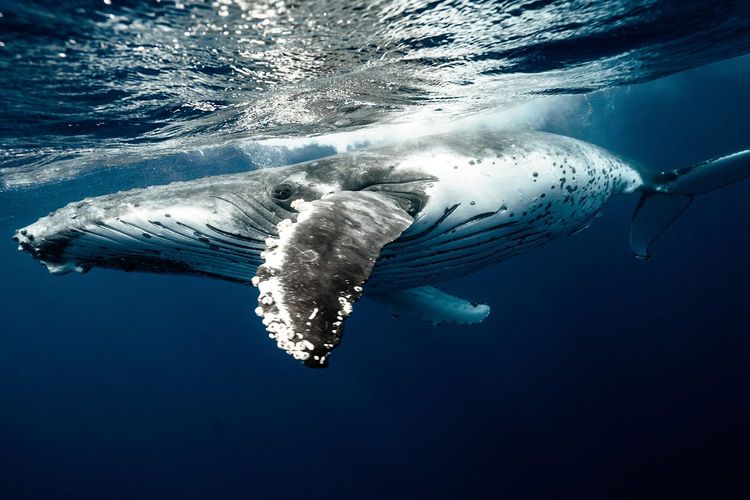
Blue whales (Balaenoptera musculus) are the largest animals on Earth, but despite their large size, scientists still have many unanswered questions about their biology and ecology. A research team of the MBARI's underwater observatory used a directional hydrophone to track the movements of blue whales and learned that these ocean giants respond to changes in the wind to hunt food.
When the winds create an upwelling event, blue whales seek out the plumes of cooler water, where krill are most abundant. When upwelling stops, the whales move offshore into habitat that is transected by shipping lanes, thus putting them in danger.
Read more articles
Biodiversity
1 October 2026
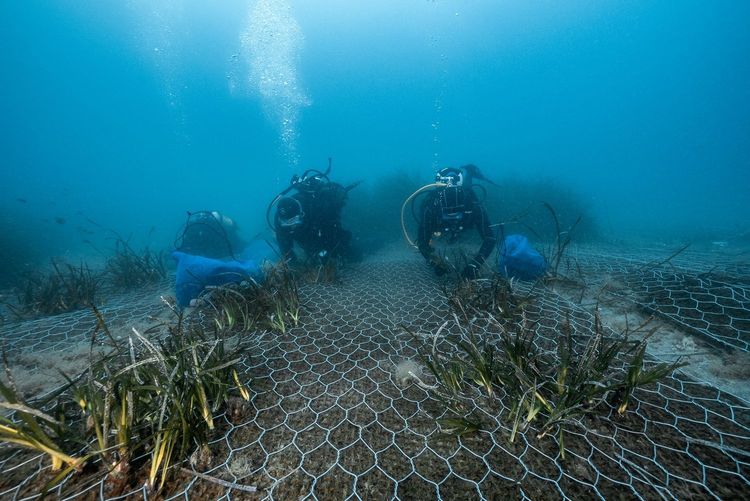
Posidonia oceanica: What It Is, Why It Matters and How It Can Be Protected
Biodiversity
21 September 2026
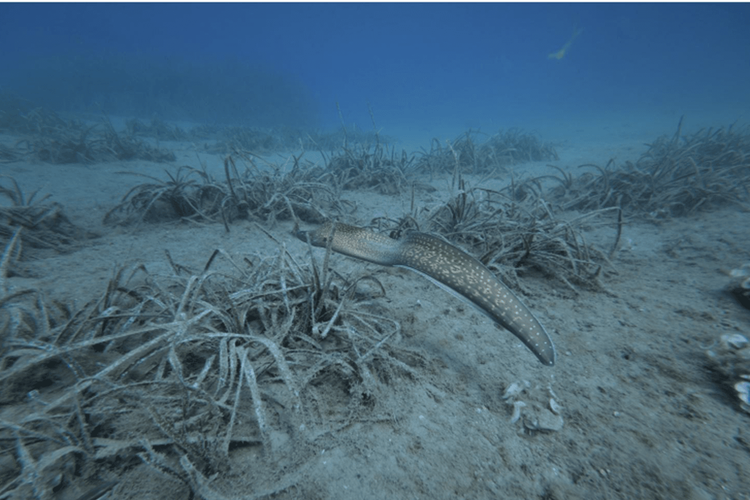
Blue Forest: 93% survival rate recorded for Posidonia oceanica cuttings in Paraggi
Biodiversity
17 September 2026