Iceland could be taking a decisive step toward ending commercial whaling. The Icelandic government has announced that it will introduce a bill in February 2027 to revise the country’s legislation on whale hunting, with particular attention to the possibility of introducing a permanent ban.
The proposal would amend legislation dating back to 1949 and comes after years of debate over the sustainability and future of whaling in the country. The government said the review will also take into account a report prepared in 2024 by a working group focused on the management and legal framework governing the activity, including constitutional issues related to a potential ban.
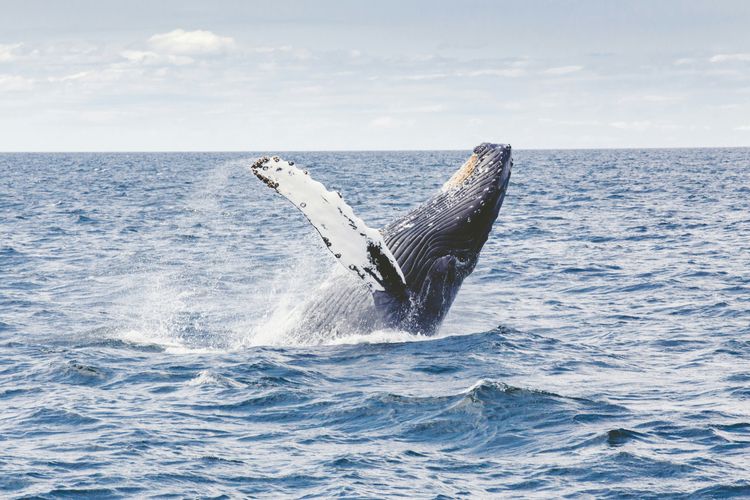
The announcement comes while the 2026 whaling season is still underway. As of September 9, according to data collected by Humane World for Animals, 80 fin whales had been caught, out of an authorised quota of 150 for the season. The fin whale (Balaenoptera physalus), the main species targeted by Icelandic whaling, is classified as Vulnerable on the International Union for Conservation of Nature (IUCN) Red List.
Iceland is one of only three countries that continue to practice commercial whaling, alongside Norway and Japan, despite the international moratorium adopted by the International Whaling Commission (IWC) in 1986. Norway resumed commercial whaling in 1993, while Iceland resumed it in 2006. Japan withdrew from the IWC in 2019 and subsequently resumed commercial whaling in its own waters.
The issue concerns not only the conservation of whale populations, but also animal welfare. A report published in 2023 by the Icelandic Food and Veterinary Authority documented cases in which whales struck during hunts took prolonged periods to die, fuelling debate over the compatibility of these practices with current animal welfare standards. According to the report, in around 41% of cases the animals did not die quickly, with some taking up to two hours to die. In addition, almost one quarter of the whales hunted were struck with more than one explosive harpoon.
The final decision will now depend on the legislative process. If the Icelandic Parliament approves the ban, Iceland could become the next country to end commercial whaling, marking another step in the international movement toward greater protection of marine ecosystems.
For the ocean, protecting great whales means safeguarding species that play an important role in marine ecosystems and recognising the value of biodiversity beyond its exploitation. Iceland’s proposal therefore opens a new chapter in the debate over the future of whale conservation and the management of marine resources.