Share this article

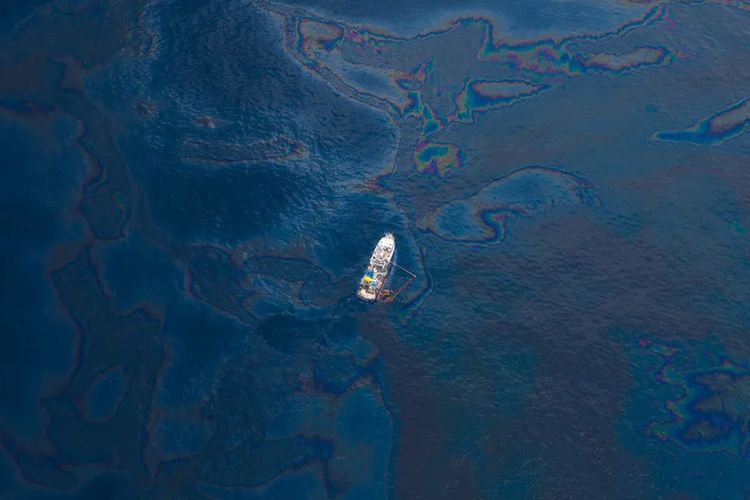
A team of Chinese and U.S. scientists developed the first global map of chronic oil slicks in the ocean and found that more than 90% of them come from human sources—from sources such as ships, pipelines, and platforms. The number was much higher than they expected,
A team of researchers used artificial intelligence to examine more than 560,000 satellite radar images collected between 2014 and 2019, pinpointing each small slick of oil floating on the ocean surface, assessing its location, size, and potential source.
Read more articles
Biodiversity
15 July 2026
Global Patterns of Mercury Speciation and Biomagnification in Sharks: Ecological Drivers and Food Safety Implications
Biodiversity
7 July 2026
Fieldwork concludes at Caprera Canyon, a major biodiversity hotspot in the Mediterranean

Biodiversity
3 June 2026