Seahorse hotel
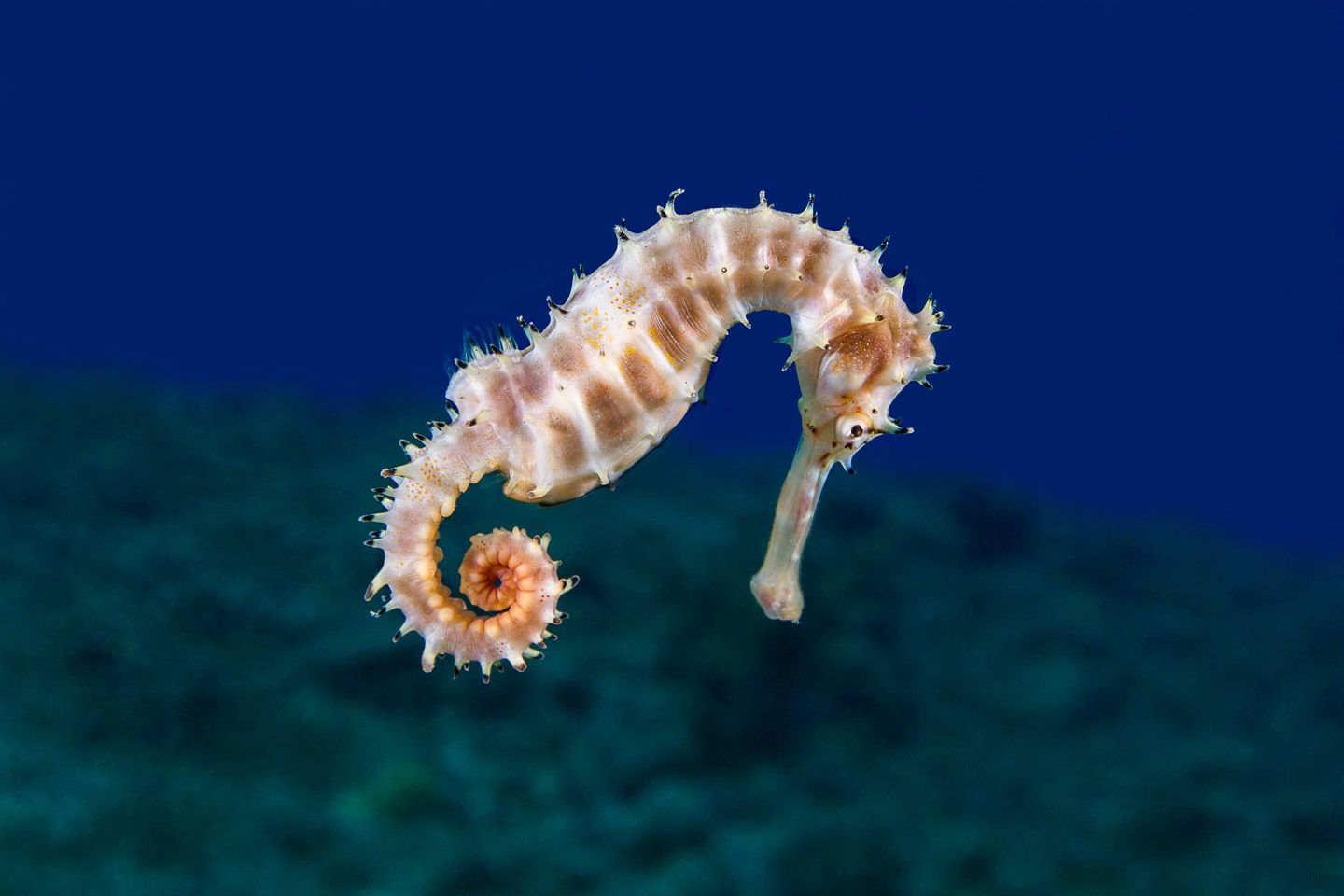
In 2023, One Ocean Foundation launched the Seahorse Hotel project that aims to provide protective habitats and promote the repopulation of endemic seahorse species in the Mar Piccolo of Taranto, a shallow basin of the Ionian Sea known for its high biodiversity and unique characteristics.
Seahorse populations in the Mar Piccolo, initially estimated at several hundred thousand individuals, have dramatically declined since 2016 due to changes in habitat structure and function, climate change, ecological factors, and human activities such as pollution and fishing.
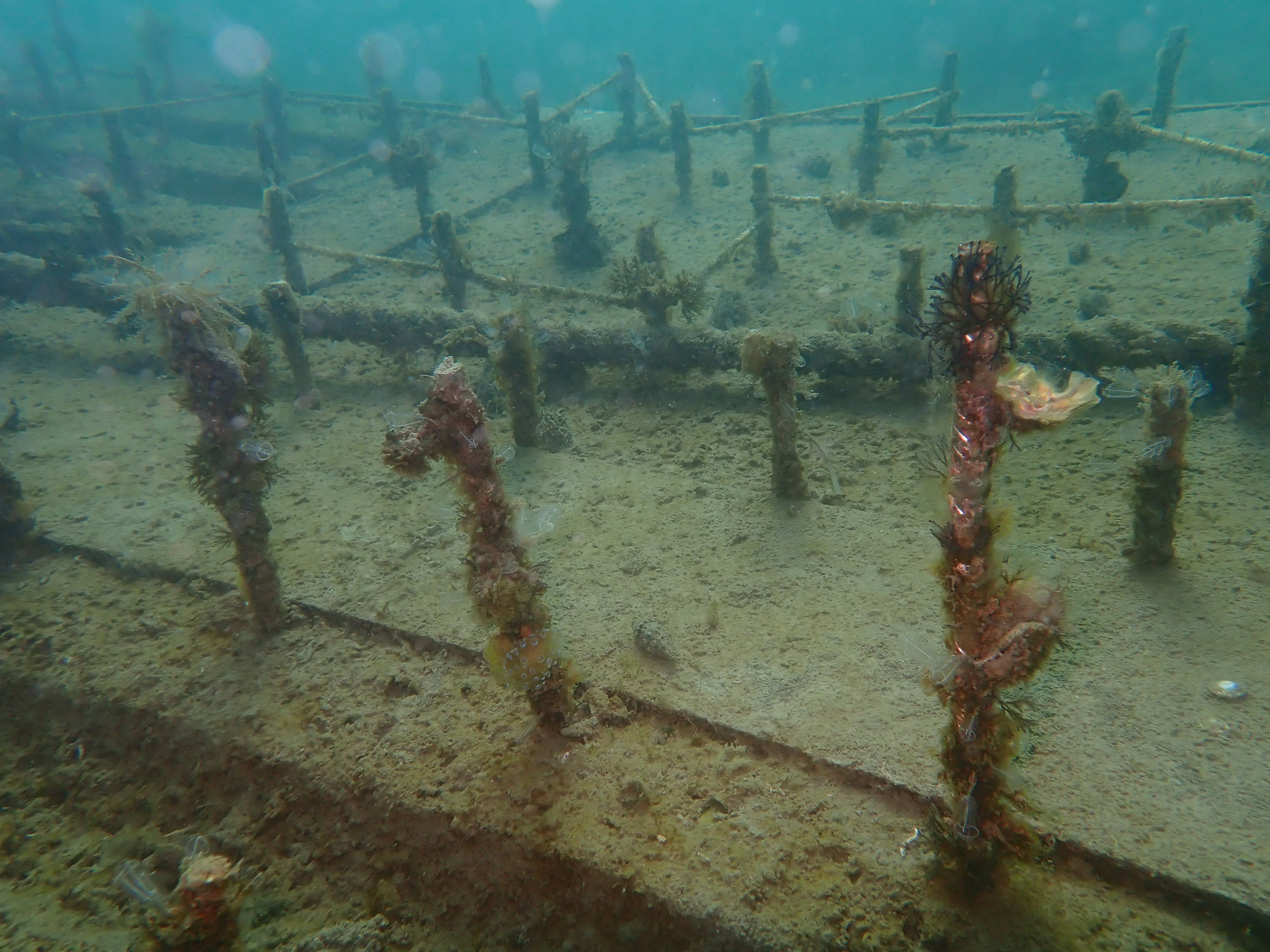
The project is a research and monitoring initiative involving the deployment of artificial habitats on the seafloor, made from stone wool supplied by our partner company, ROCKWOOL, specifically designed to replicate the natural environment of seahorses. It tests the suitability and effectiveness of this material in supporting seahorse settlement and development under controlled conditions, while also aiming to establish a replicable model for seahorse conservation in Mediterranean lagoons.
Objectives

Restoration
Provide safe habitats and promote the repopulation of endemic seahorse species in the Mar Piccolo through artificial reefs.

Innovation
Deploy and test artificial reef modules made of stone wool – a material traditionally used in construction – for the first time in the marine environment.

Research
Monitor the settlement of seahorse colonies and assess the replicability of the project to support long-term marine conservation.
Results
6
stone wool modules successfully deployed on the seabed
15
months of monitoring completed
297
seahorse specimens observed
1
conference paper presented
Importance of this Project
The two seahorse species targeted by the project, Hippocampus guttulatus and Hippocampus hippocampus, are the only native seahorses discovered in the Mediterranean Sea and are found on the IUCN Red List of species, as well as protected under CITES Appendix II, which makes them a very vulnerable species that has to be protected. The seahorse hotel project makes an important contribution to the creation of conservation models for human-impacted coastal areas, restoration of essential habitats and the increase of biodiversity.
Project Update
A thriving habitat
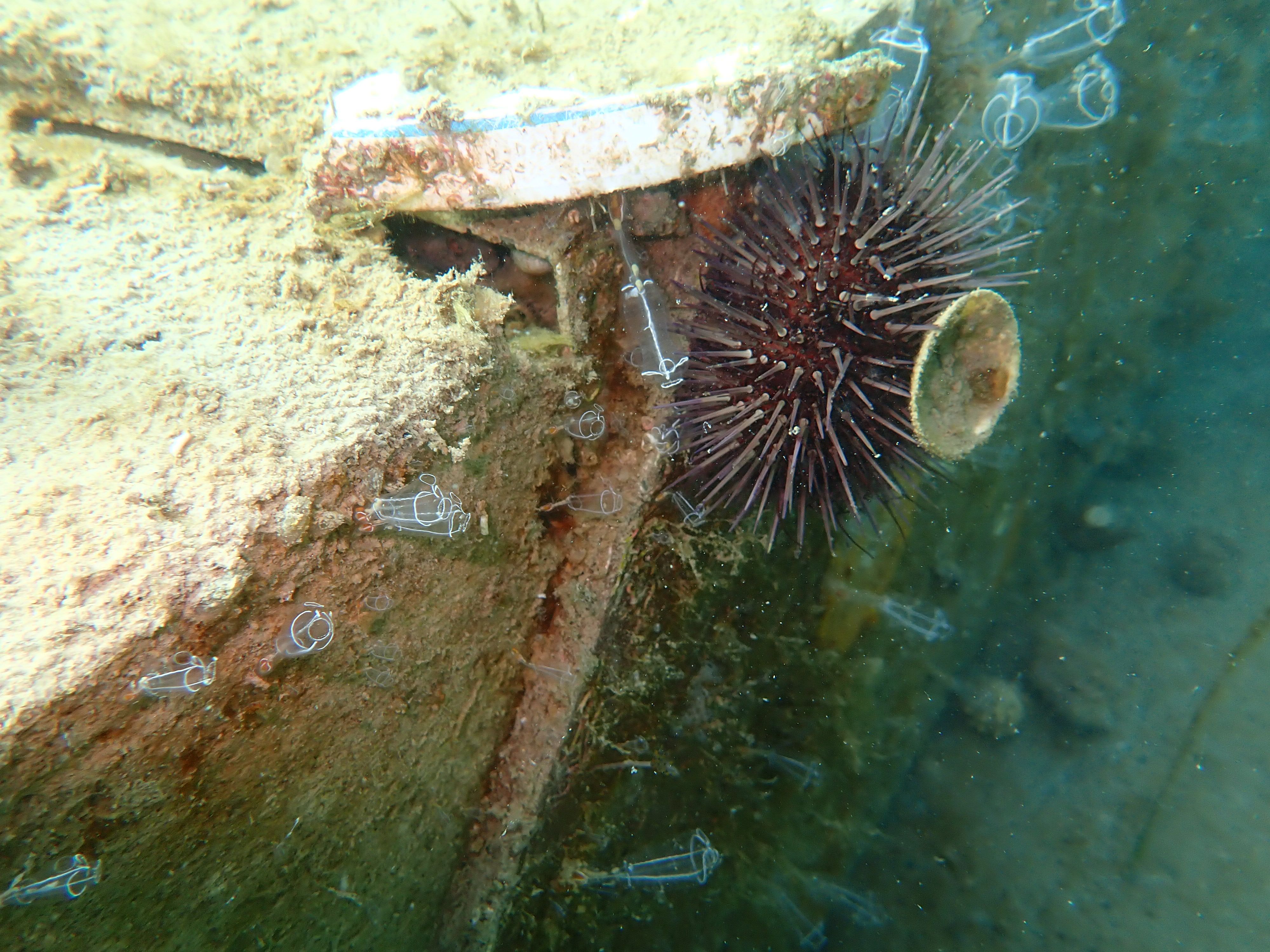
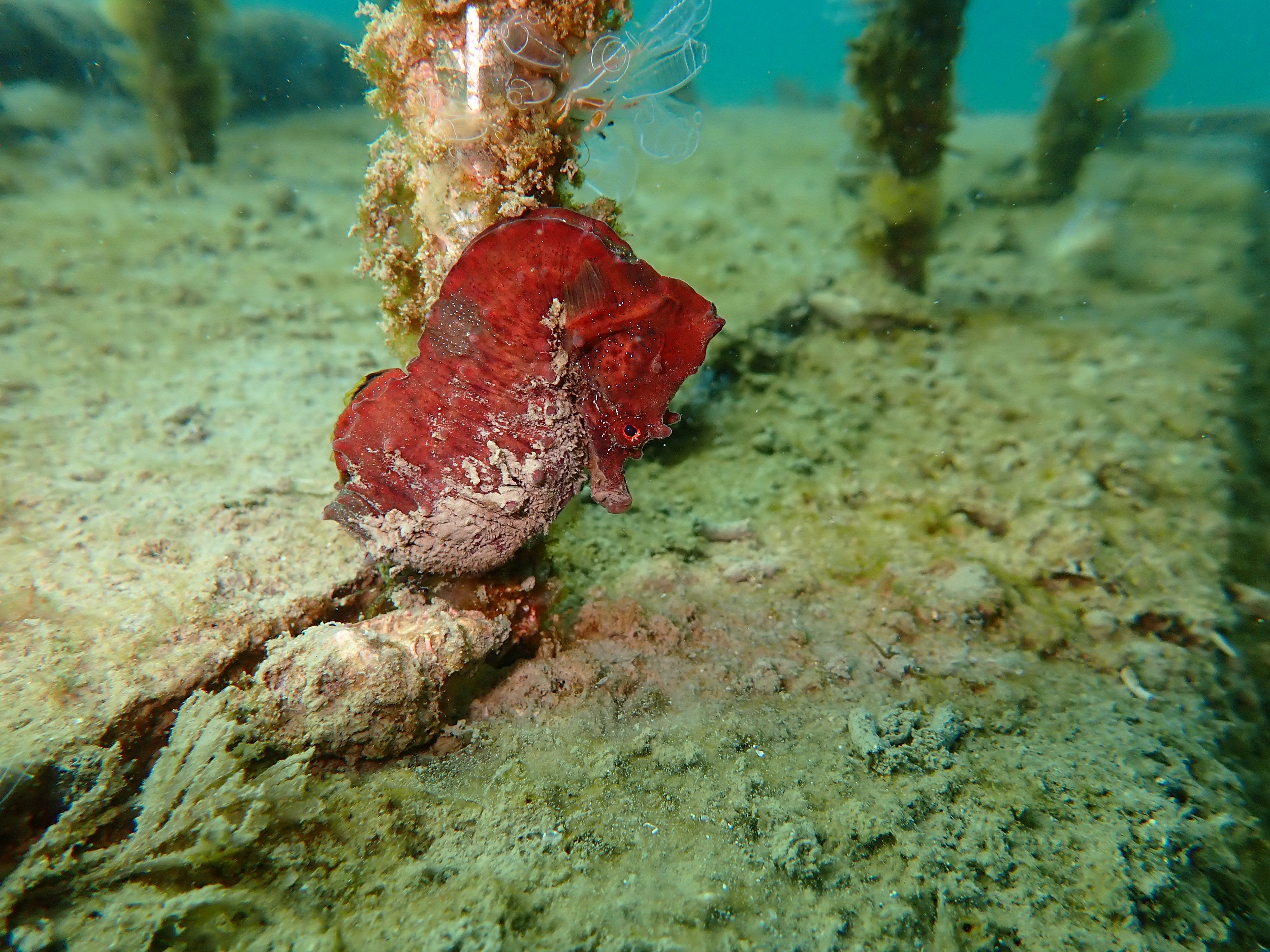
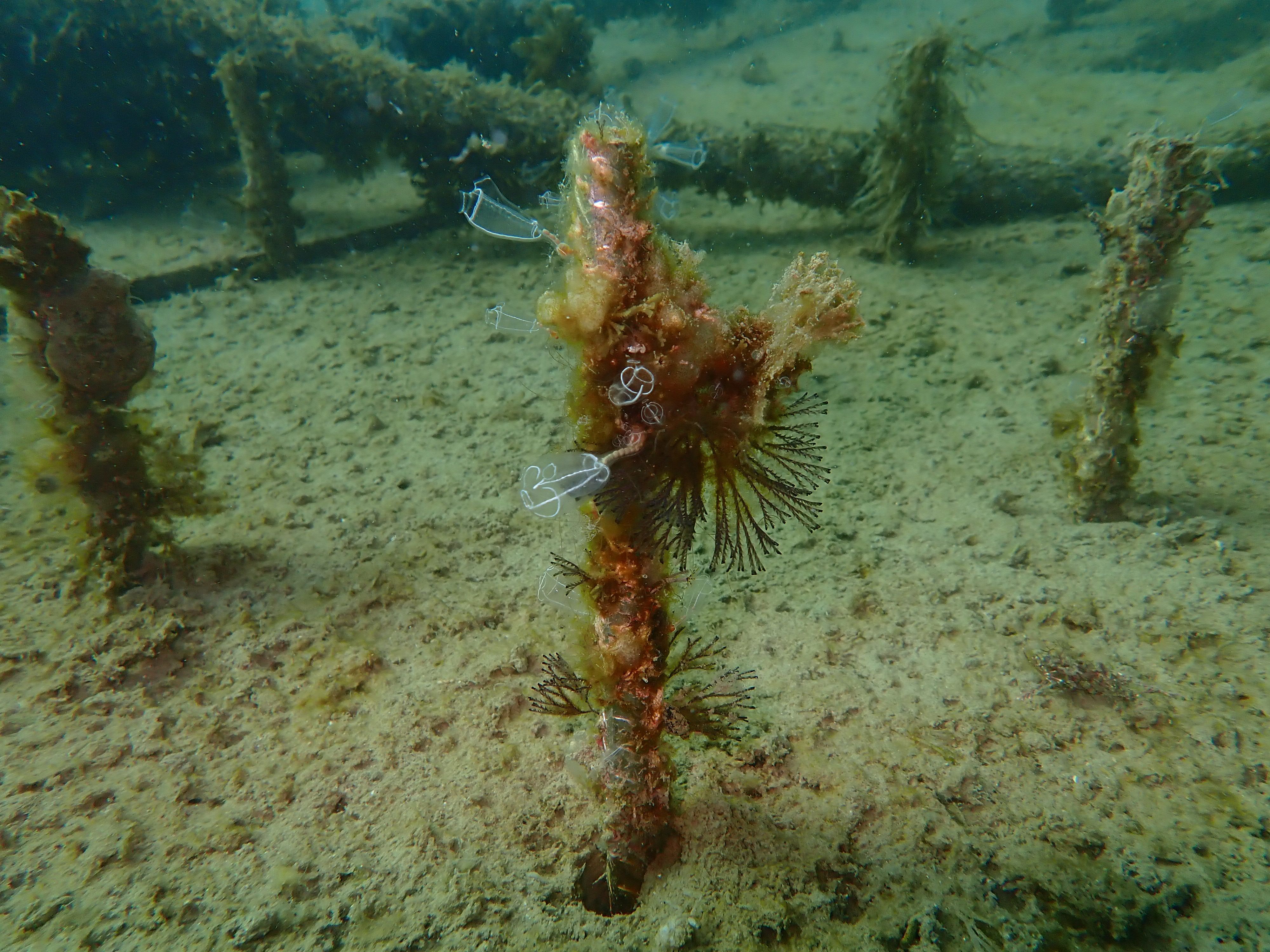
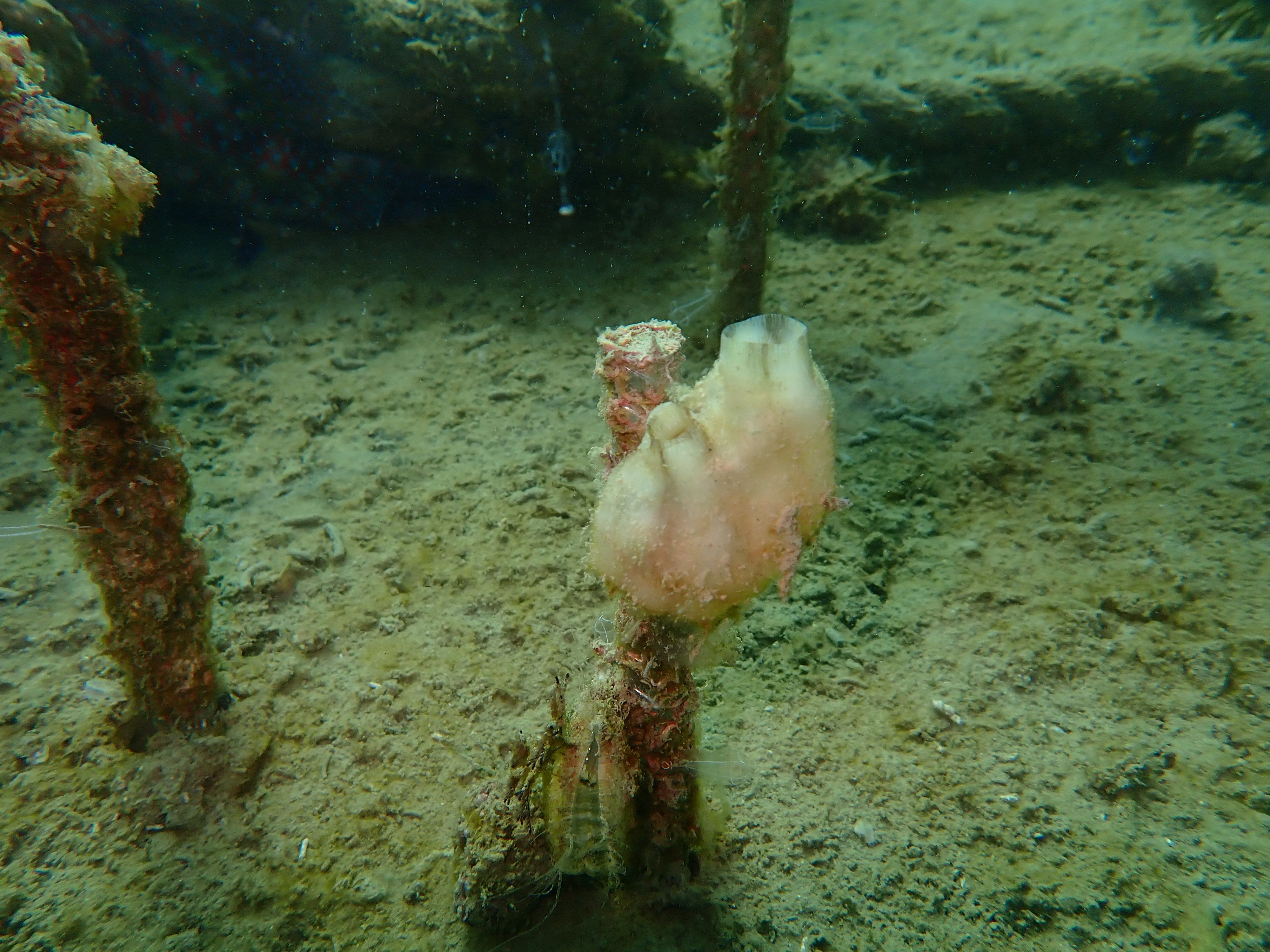
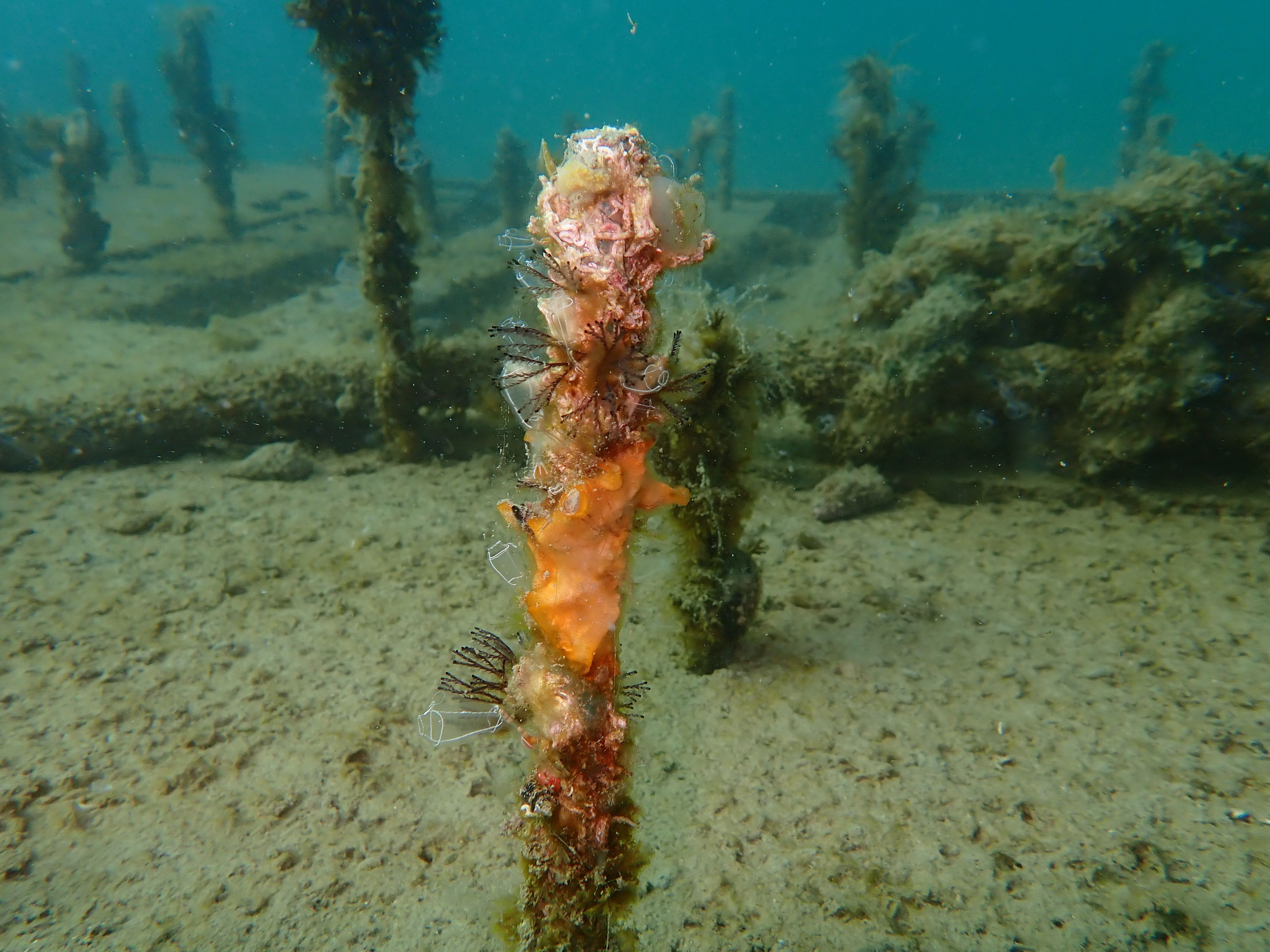
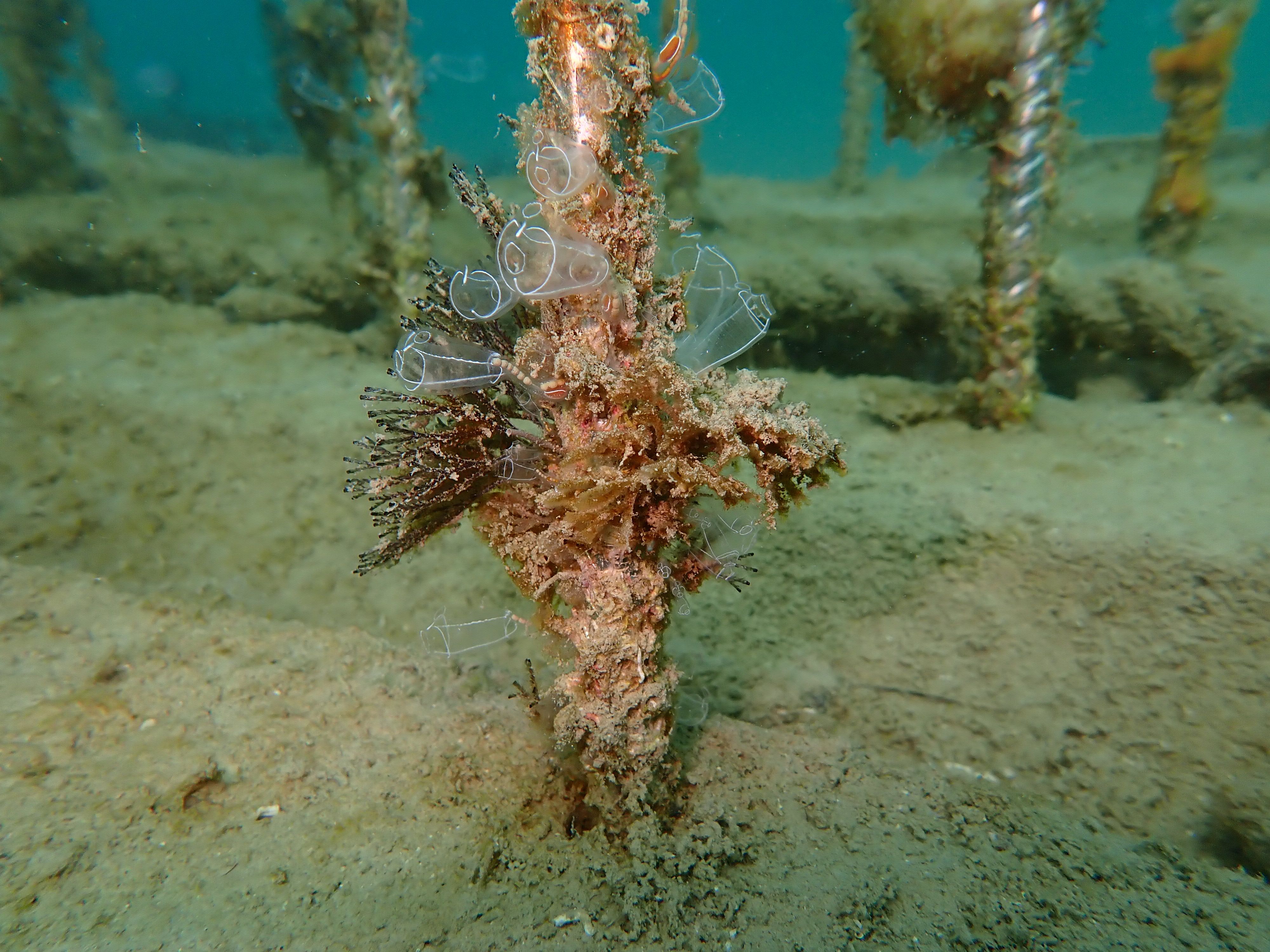
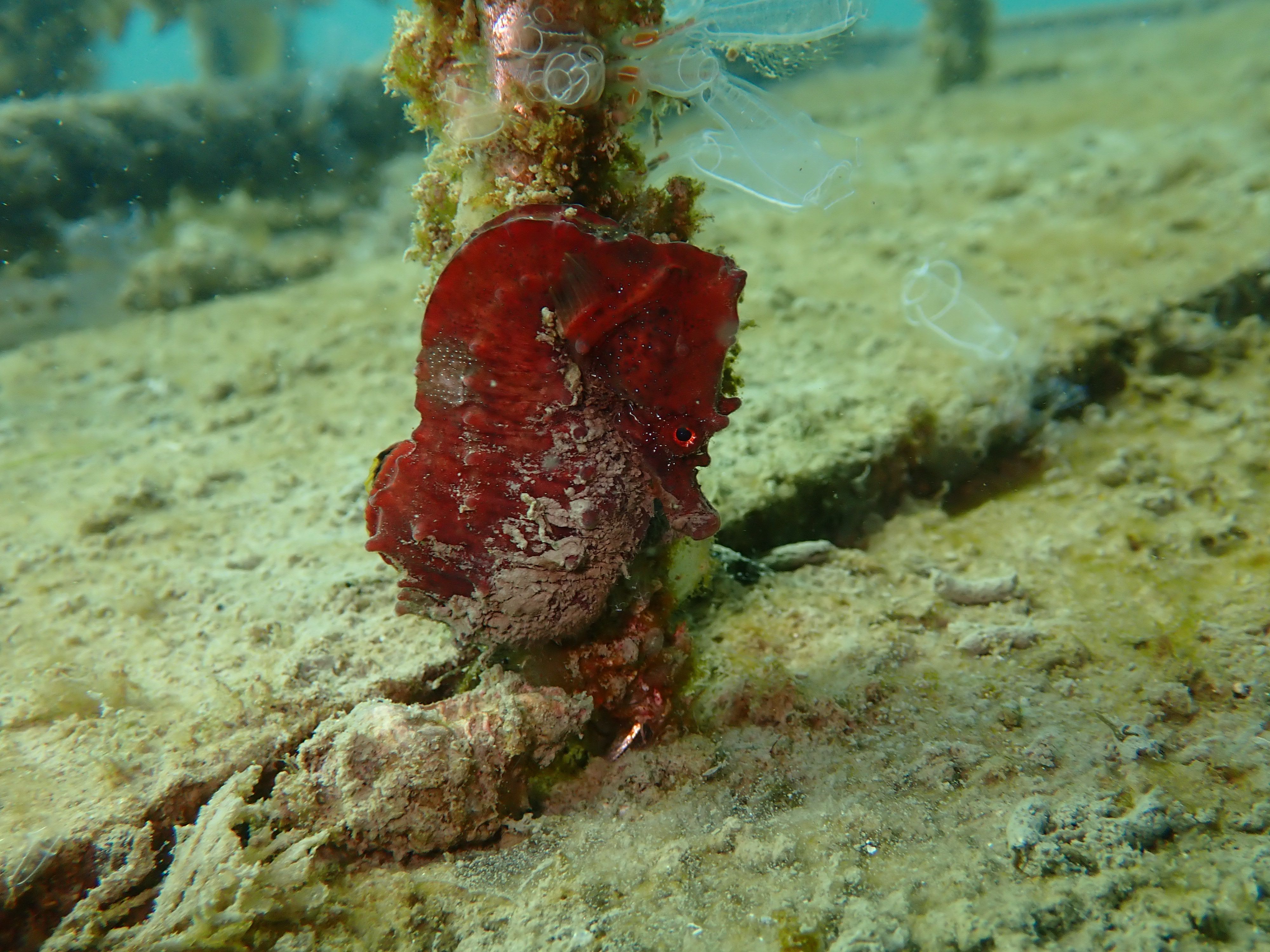
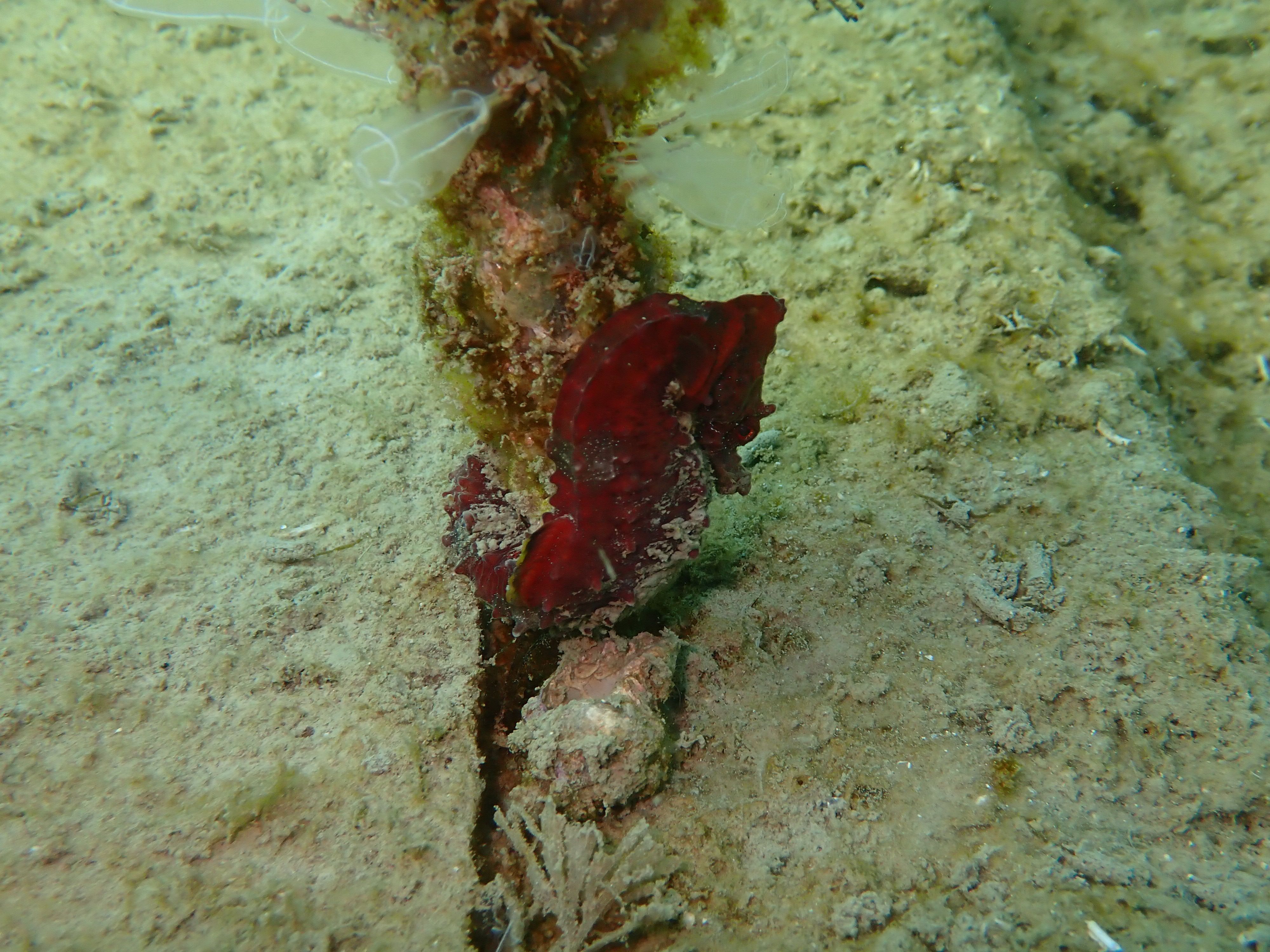
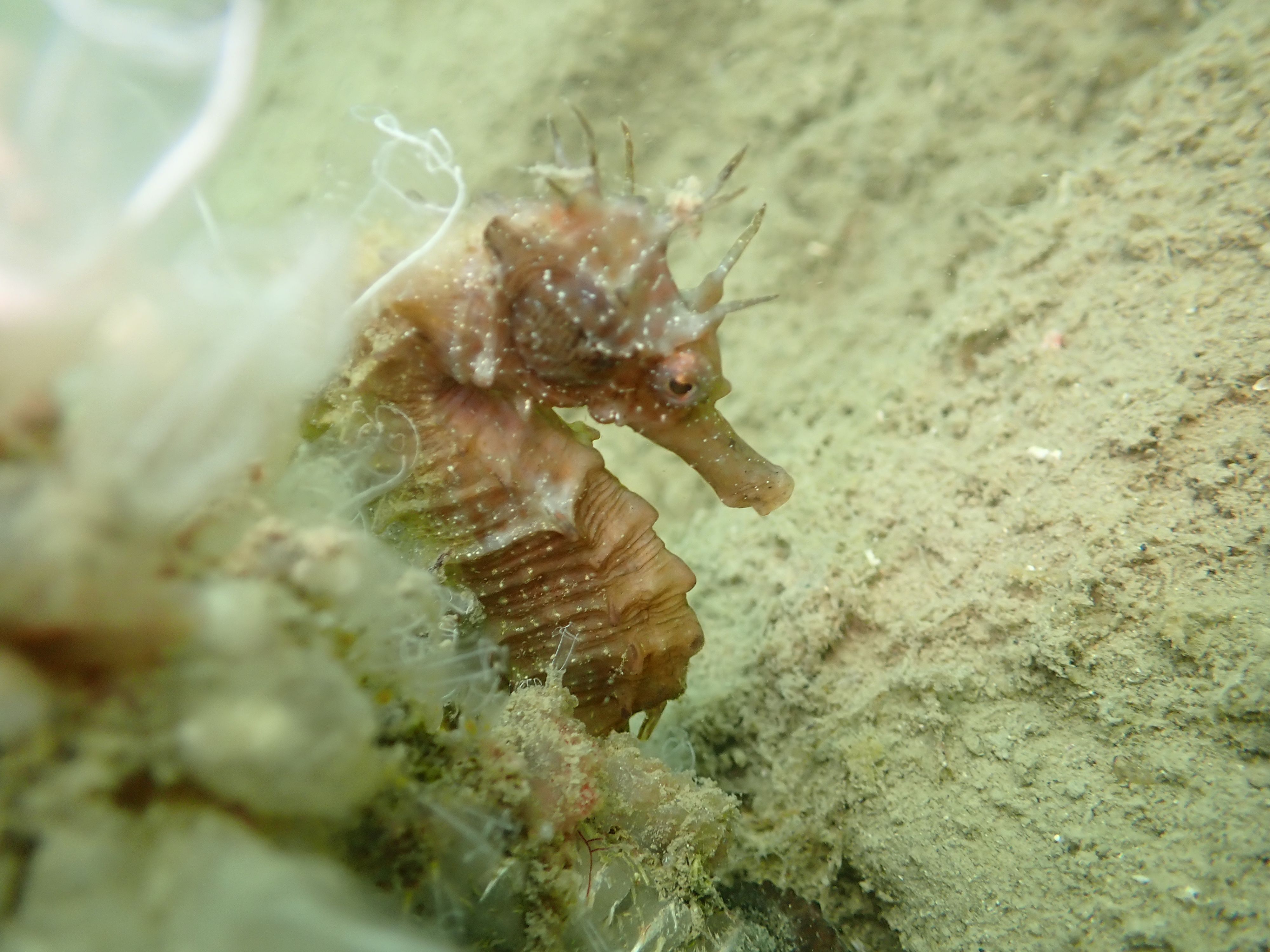
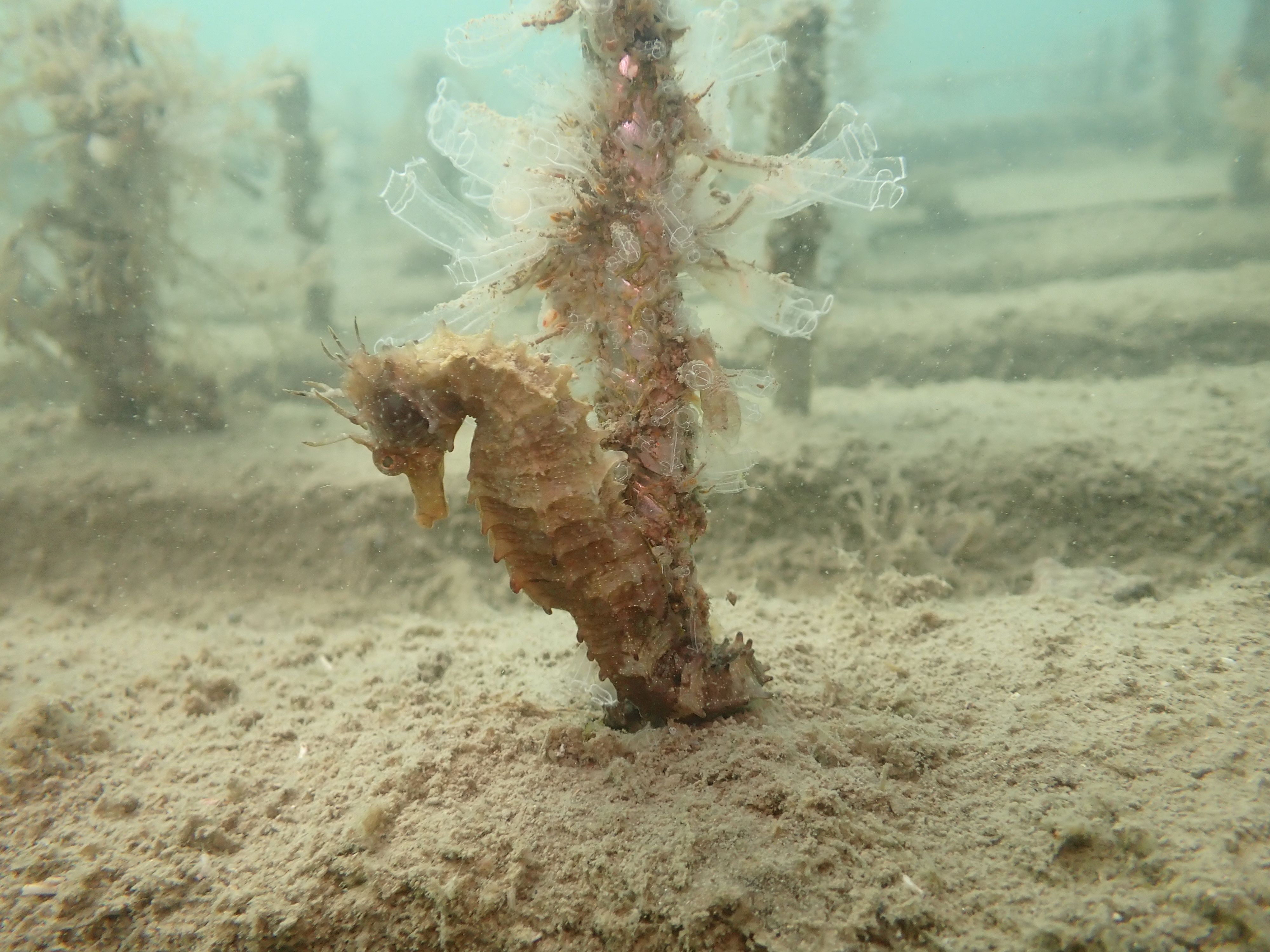
The monitoring results to date, conducted through visual census and ROV surveys, demonstrate that both seahorse populations are successfully colonising the stone wool modules. The artificial structure has quickly been colonised by other benthic communities, including sponges and algae, increasing habitat complexity and indirectly enhancing prey availability. This has created optimal conditions for Hippocampus guttulatus and Hippocampus hippocampus, providing both shelter and feeding opportunities.
Between October 2023 and October 2025, the monitoring showed a strong increase and clear potential for natural seahorse population growth, reaching a total of 297 seahorses recorded in the area, of which 97 individuals were directly observed on the artificial structure.
On-field Activities
Related news
Partner