M.A.R.E.
About
A travelling scientific platform to monitor the health status of the Mediterranean Sea
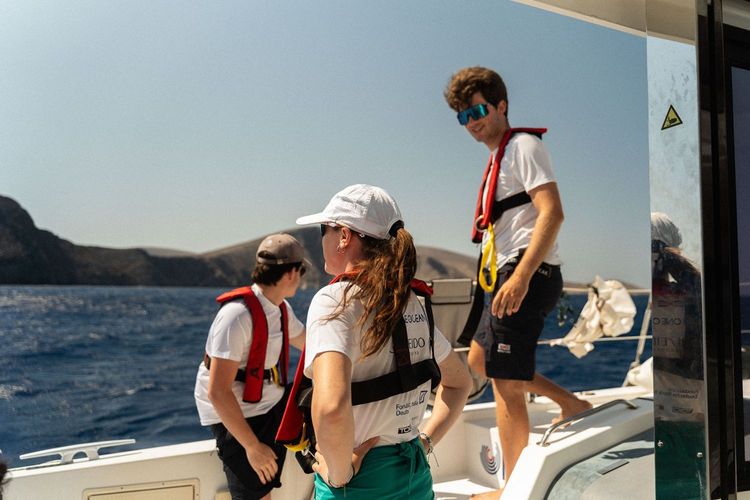
The M.A.R.E. project – Marine Adventure for Research and Education – was launched in 2022 as an initiative of the Fondazione Centro Velico Caprera with One Ocean Foundation as its scientific partner. The project is unique: a travelling scientific platform dedicated to monitoring the Mediterranean Sea and spreading ocean literacy. Onboard researchers, students, sailors and citizens become protagonists of a collective mission to collect data and samples, observe species and habitats, study pollution and biodiversity, thus helping to fill the many knowledge gaps that still exist about this extraordinary yet fragile sea.
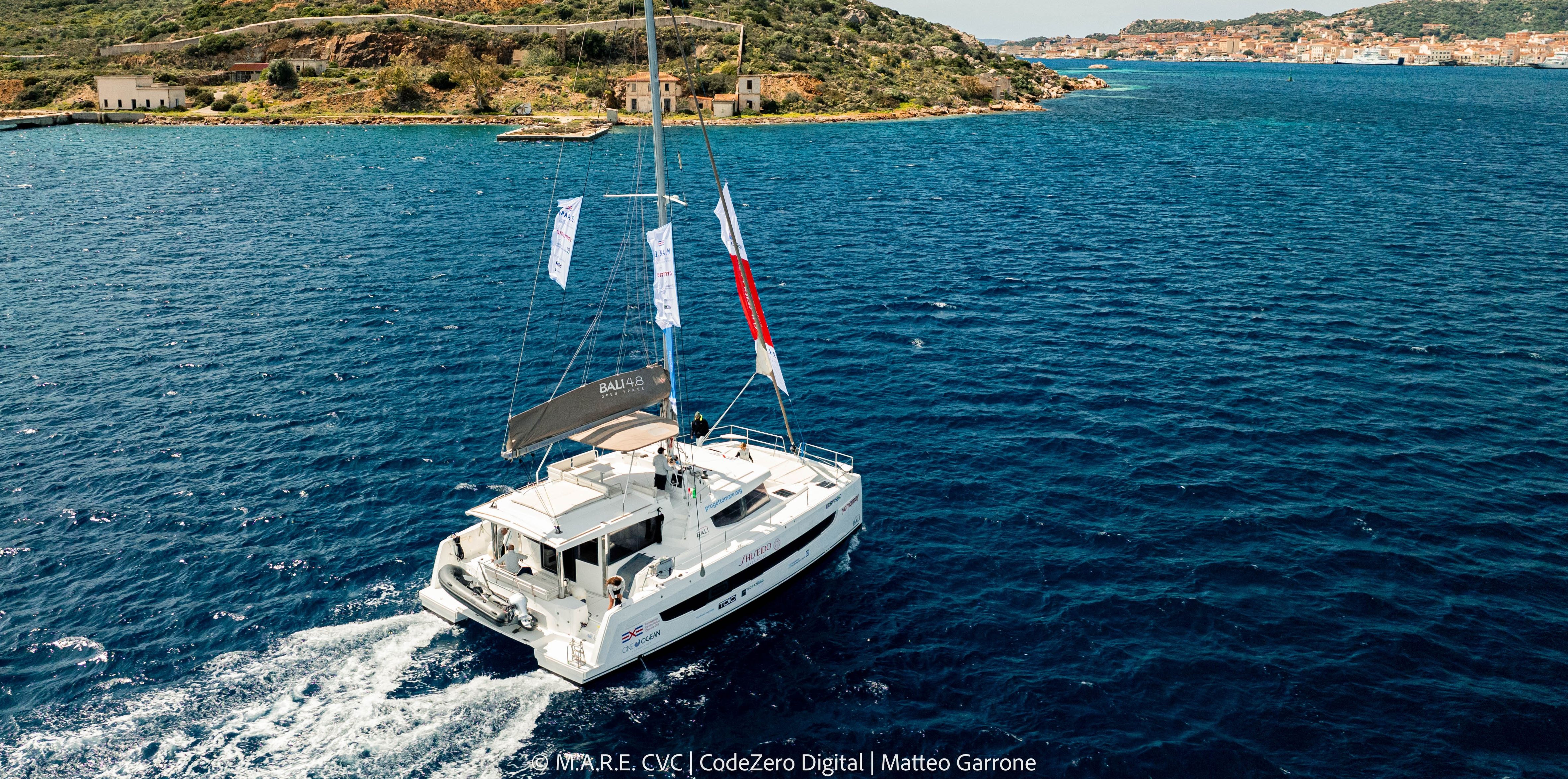
Route 2026
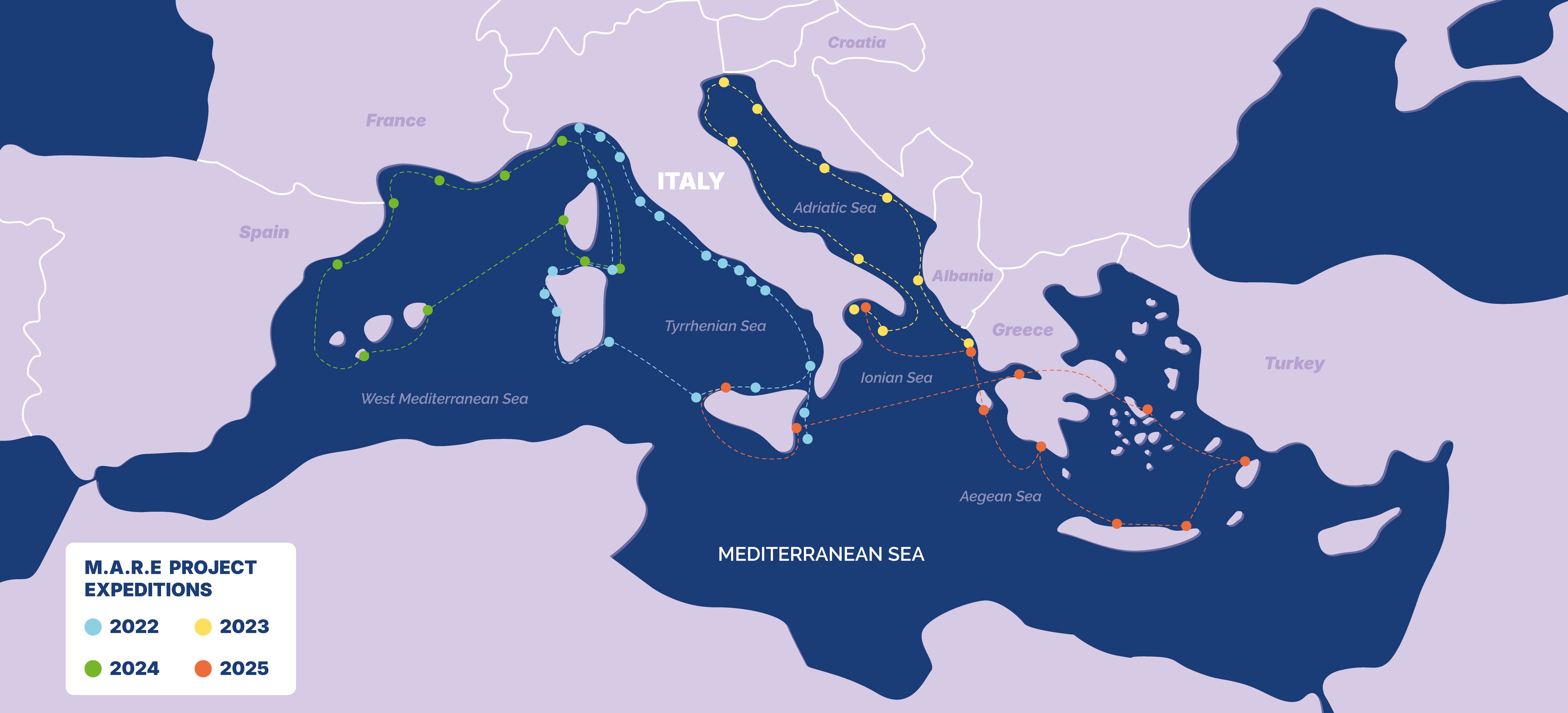
The project follows four main routes (the Tyrrhenian Sea, the Adriatic Sea, the Northwestern Mediterranean, and the Eastern Mediterranean), providing for the first time a comprehensive overview of the basin’s health. With the involvement of the scientific community and the collaboration of national and international institutions, M.A.R.E. aspires to become a reference point for research, citizen science, and science communication, while at the same time strengthening the bond between humans and the sea and promoting concrete actions for its protection and conservation.
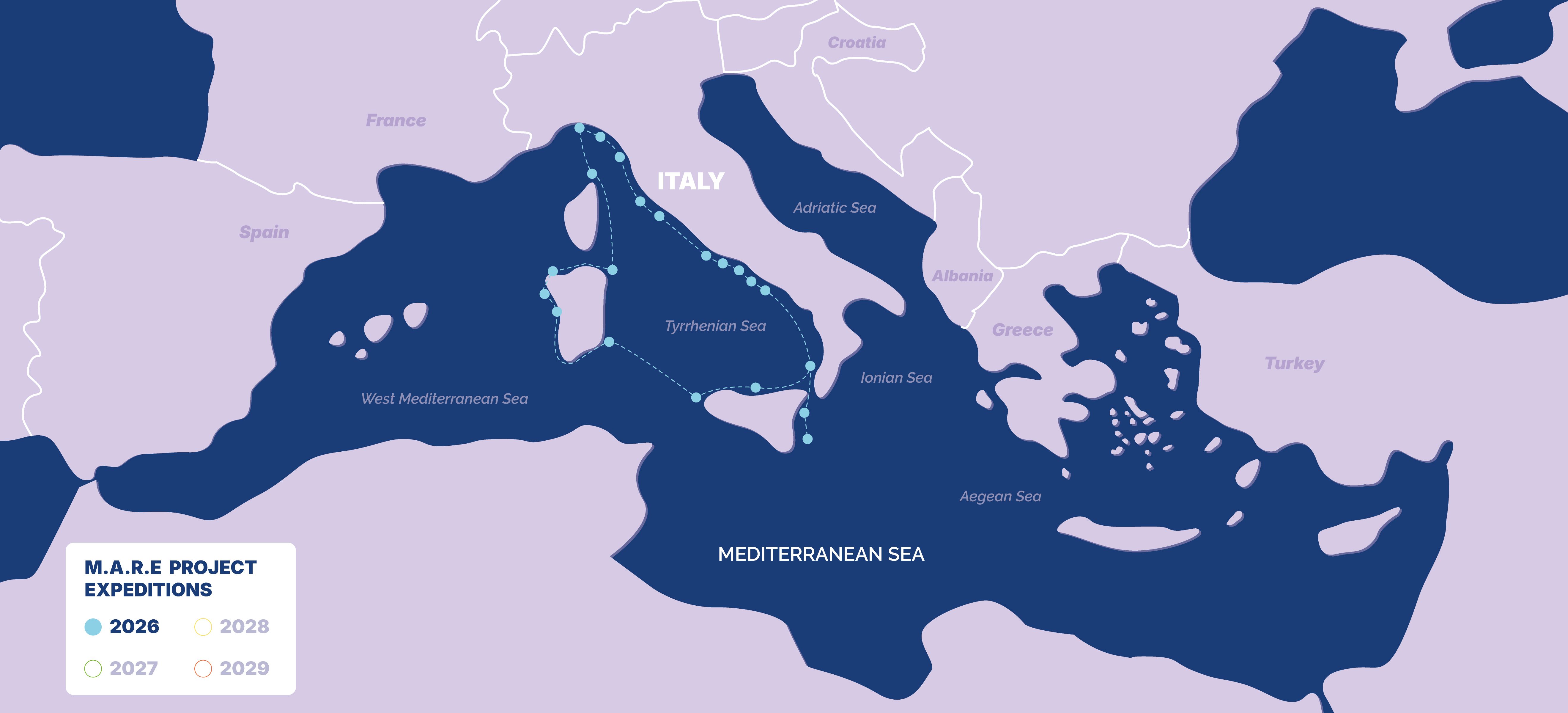
Scientific objectives 2026 - 2029
With the scientific coordination of One Ocean Foundation, M.A.R.E. project aims to assess the contamination status of the Mediterranean Sea and monitor its biodiversity through non-invasive techniques in order to minimize the impact on the ecosystem:
Chemical pollution
Analysis of pollutants in the marine environment, from legacy contaminants to emerging compounds such as PFAS. The goal is to build an increasingly accurate picture of the Mediterranean’s health and provide data useful for scientific research and conservation strategies.
Marine food web
Microplastics are now widespread in all marine ecosystems. M.A.R.E. studies their presence in organisms at the base of the food chain to understand how these materials accumulate and transfer between different species.

Human activities on coastal ecosystems
Monitoring eutrophication phenomena makes it possible to identify areas most affected by excessive nutrient inputs from human activities, which can disrupt the natural balance of the sea and reduce biodiversity.

Biodiversity protection
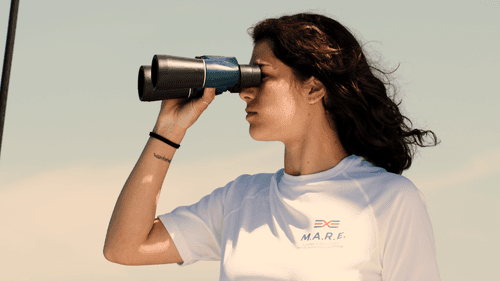
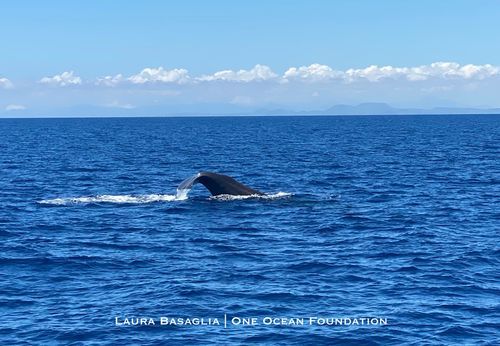
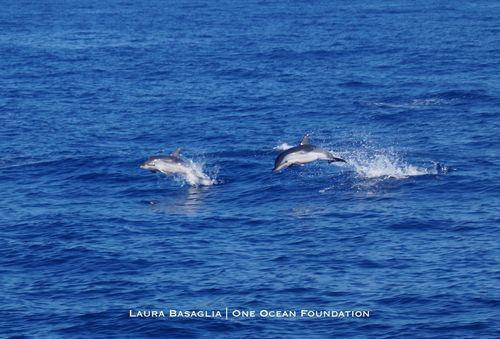
Through innovative techniques such as environmental DNA (eDNA), at-sea visual surveys, and coastal monitoring via snorkeling observations, the project studies the distribution of marine species, the presence of invasive species, and the health of habitats, contributing to a better understanding of Mediterranean biodiversity.

Noise pollution
Noise produced by human activities can have significant effects on marine organisms. Using passive acoustic monitoring systems, the project detects both underwater noise levels and the presence of cetaceans, collecting essential information for their protection.

Climate change
The collection of oceanographic data allows monitoring of the evolution of the sea’s physical conditions and contributes to European marine observation programs, improving understanding of the impacts of climate change in the Mediterranean.
Project M.A.R.E development & its routes (2022 - 2025)
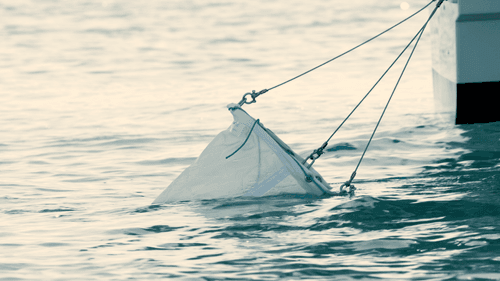
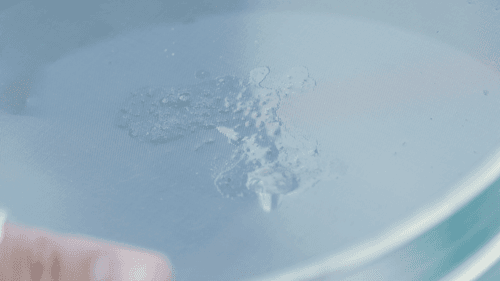
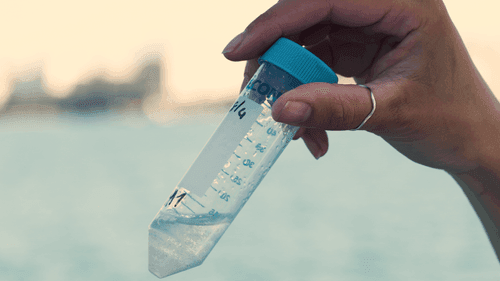
The M.A.R.E project by One Ocean Foundation set sail in 2022 from the island of La Maddalena, marking the start of its scientific research activities at sea. Initial investigations included visual monitoring, environmental DNA sampling to detect cryptic or threatened species—such as cetaceans, elasmobranchs, and invasive alien species—and zooplankton sampling to assess marine pollution levels. Over time, the activities expanded: in 2024, bioacoustic monitoring was introduced to detect cetaceans and evaluate the impact of underwater noise pollution. The project’s catamaran has thus become an international research platform, hosting Italian and international scientists and supporting the development of academic theses and scientific publications. Onboard, alongside researchers, citizens, artists, and photographic explorers have participated, helping to share the project’s findings and transform scientific data into new forms of storytelling and awareness.
Since its inception, the M.A.R.E. project has sailed over 6,700 miles of sea in 267 days of navigation, welcoming more than 470 people on board, including 46 researchers from 20 different scientific institutes.
Results
208
zooplankton samples
75
water samples
477
individuals sighted
89
acoustic recordings
36
educational events
12
beach cleanups
On field activities
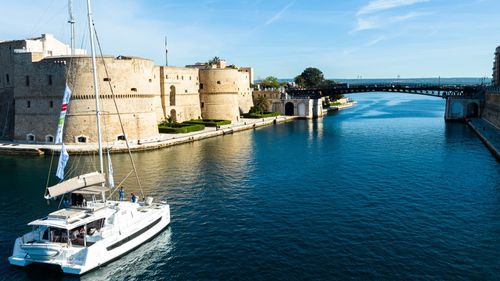
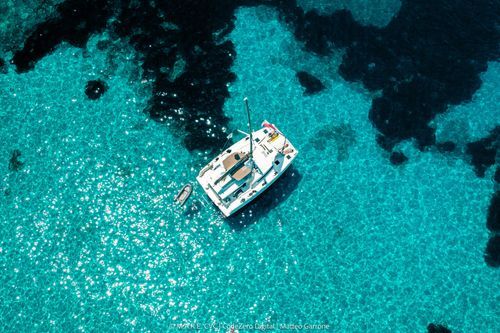
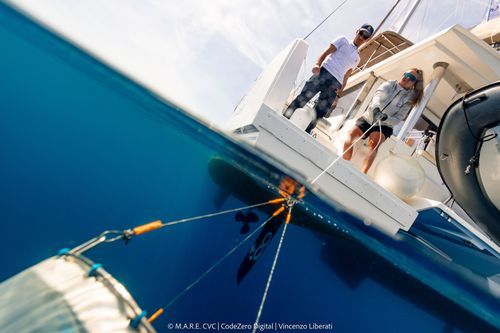
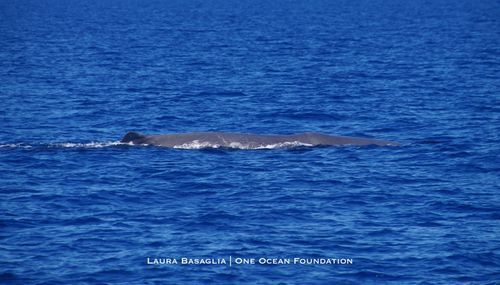
Related news
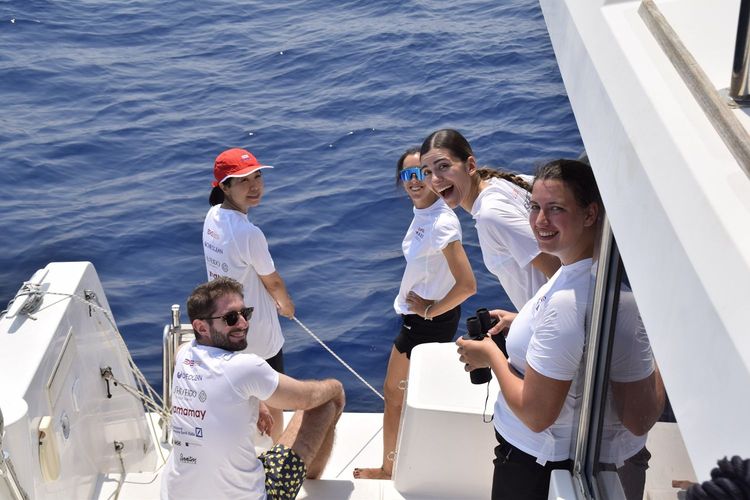
M.A.R.E. project completes groundbreaking mapping of the Mediterranean Sea’s health
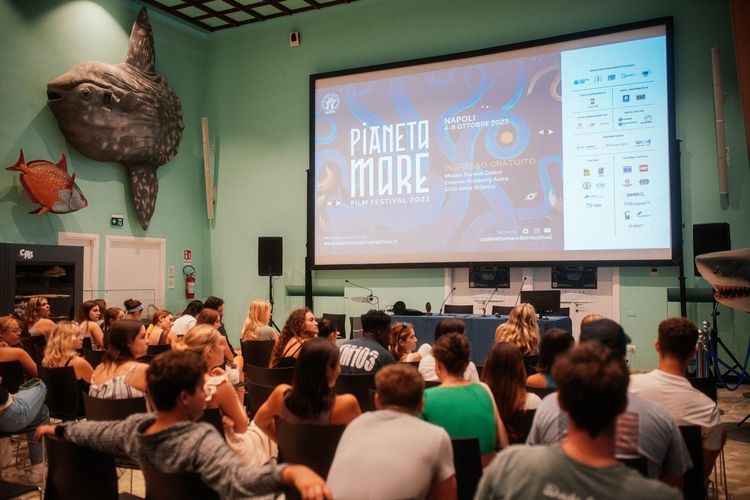
One Ocean Foundation and Pianeta Mare Film Festival
The M.A.R.E. project has ended
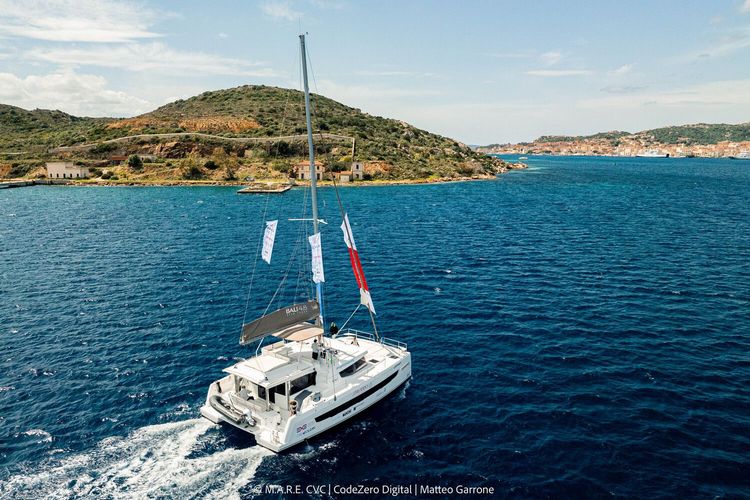
The third edition of M.A.R.E. project has concluded!
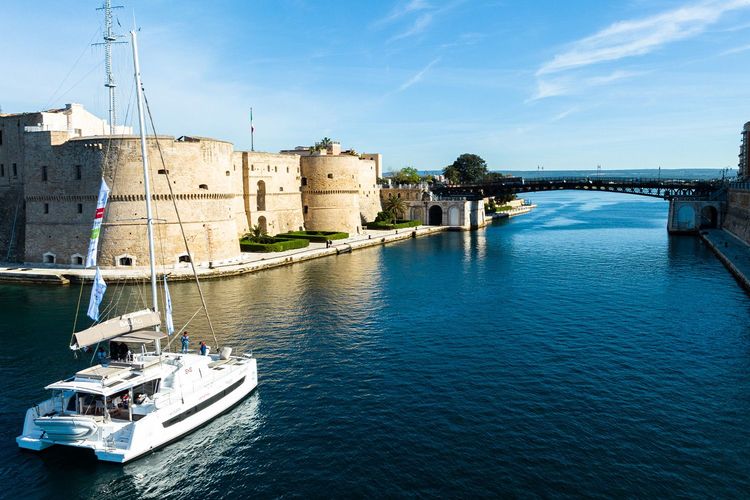
The II edition of the M.A.R.E. project has set sail!
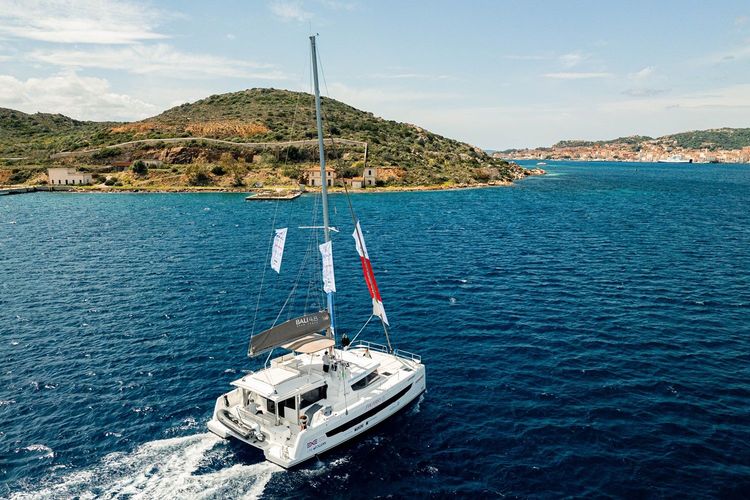
The III edition of the M.A.R.E. project has set sail!
CVC and OOF launch the M.A.R.E. project
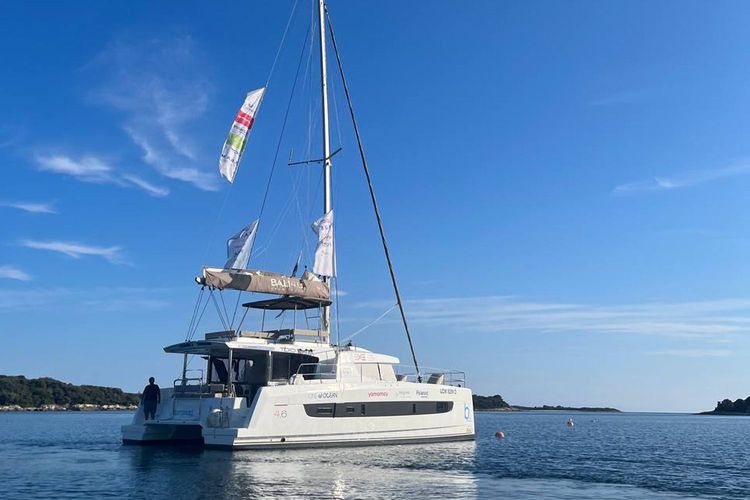
The second edition of #ProgettoMARE has succesfully ended!
PCB and DDT in the Mediterranean Sea: Zooplankton Reveals Where Pollution Persists
Partner

With the patronage of



Partners of the project